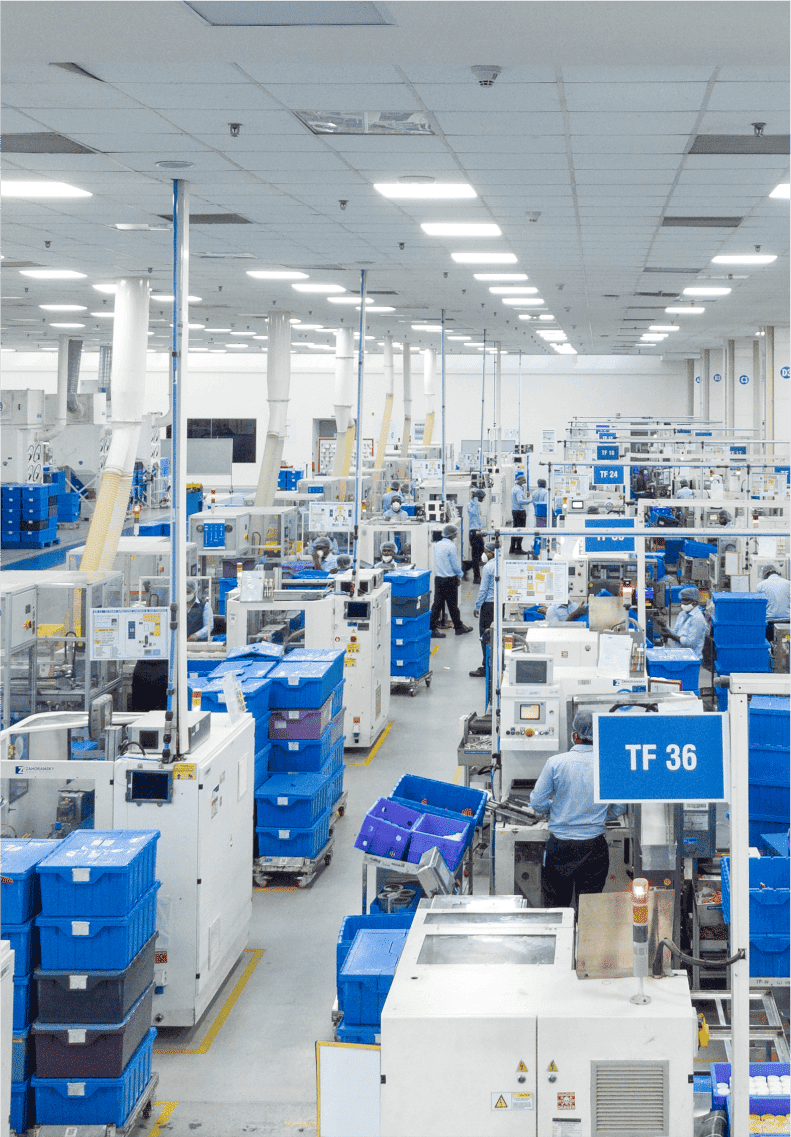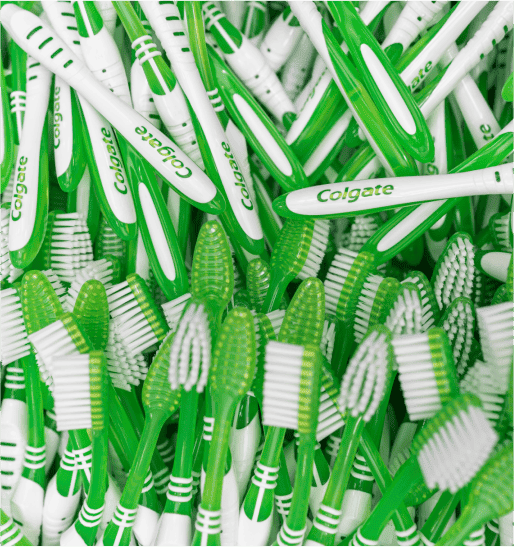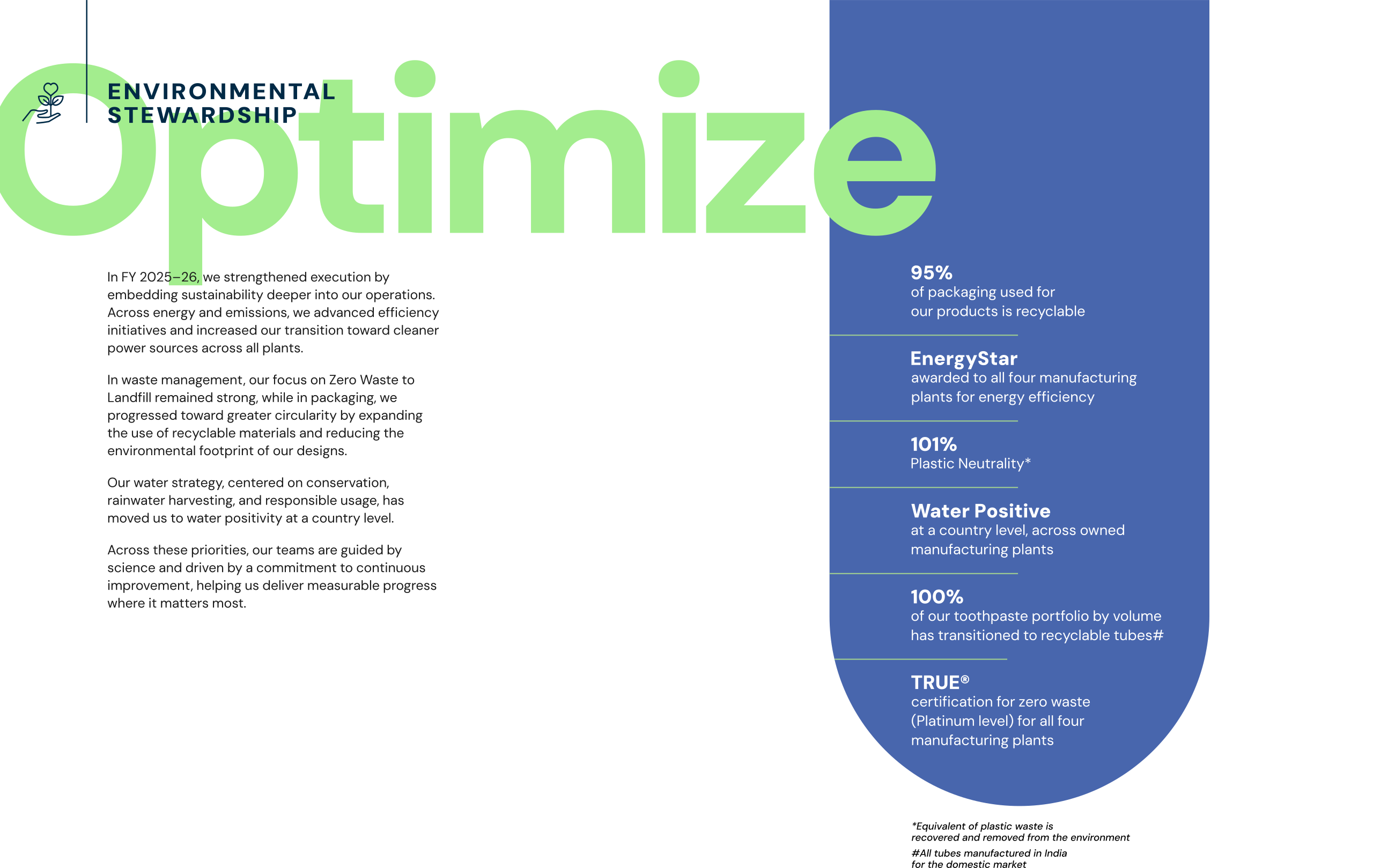
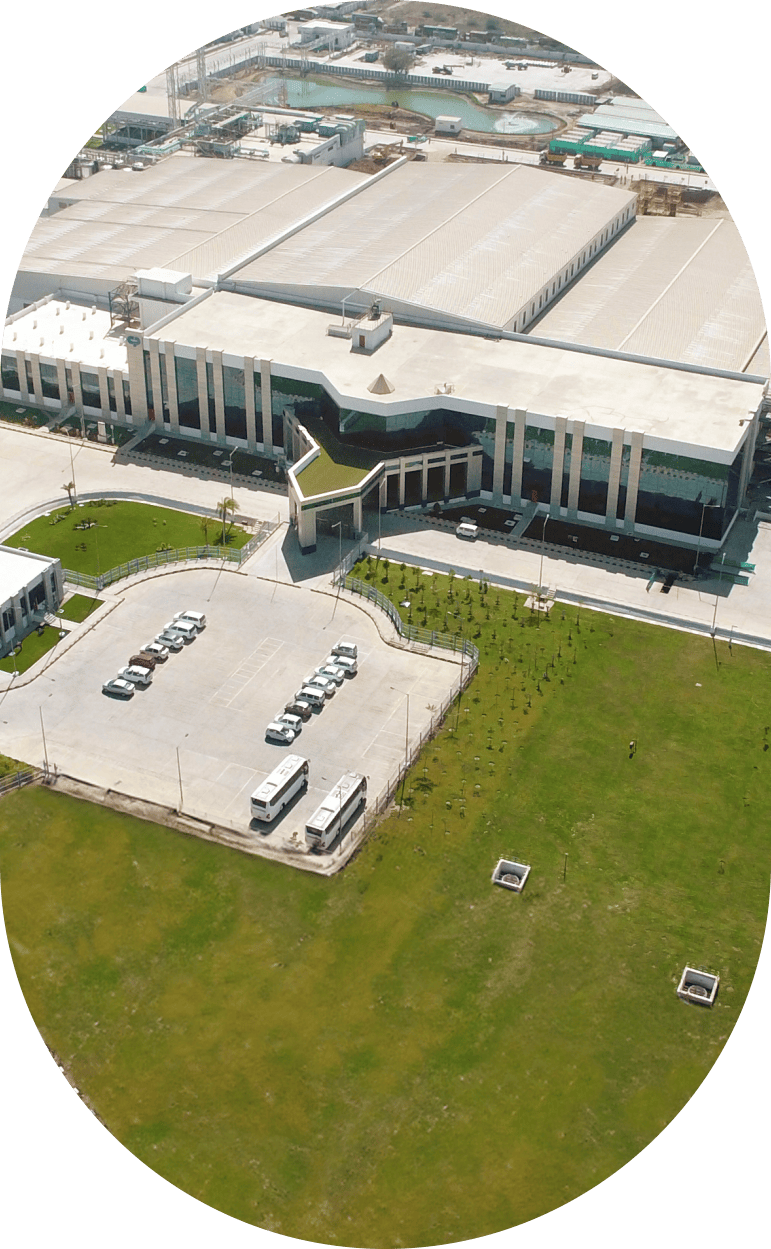
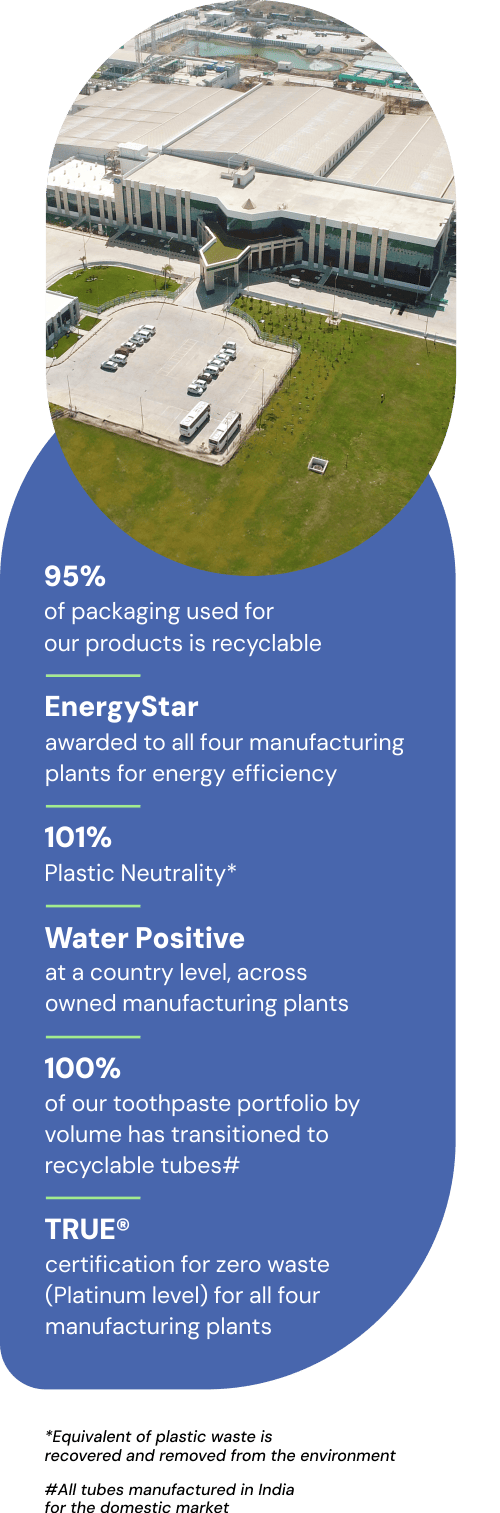
In FY 2025—26, we strengthened execution by embedding sustainability deeper into our operations. Across energy and emissions, we advanced efficiency initiatives and increased our transition toward cleaner power sources across all plants.
In waste management, our focus on Zero Waste to Landfill remained strong, while in packaging, we progressed toward greater circularity by expanding the use of recyclable materials and reducing the environmental footprint of our designs.
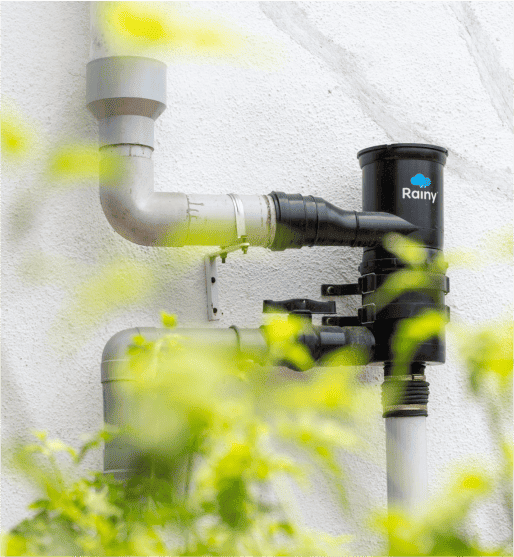
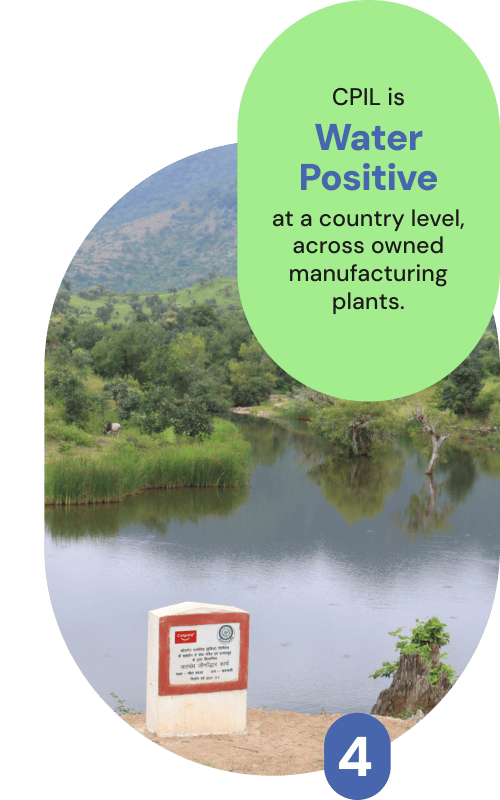
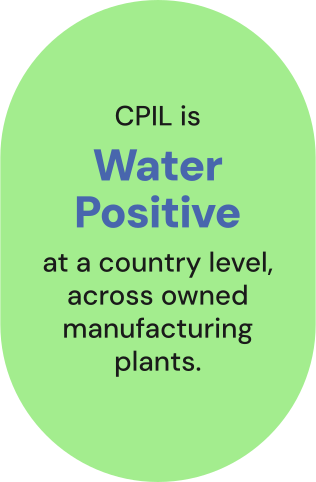
Our water strategy, centered on conservation, rainwater harvesting, and responsible usage, has moved us to water positivity at a country level.
Across these priorities, our teams are guided by science and driven by a commitment to continuous improvement, helping us deliver measurable progress where it matters most.

Energy & Emissions Management
We are committed to addressing climate change by building a healthier, more sustainable future. Our approach integrates energy efficiency, emissions reduction, and a steady transition to cleaner energy sources. It is aligned with our business priorities and compliant with all environmental regulations and standards.
AI-driven Energy Optimization
Our Goa facility has developed Energy Health IQ, an in-house AI-powered analytics platform that predicts energy demand, detects operational inefficiencies in real time, and enables data-driven decision-making through a conversational interface. By shifting from reactive to predictive energy management, the platform supports our 2030 Sustainability Moonshot while creating a scalable blueprint for low-carbon manufacturing.

Energy Consumption
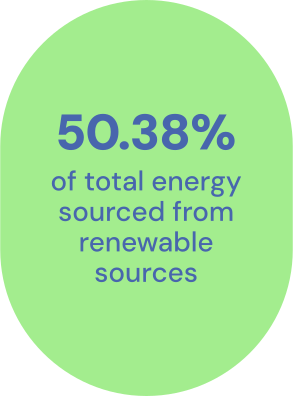
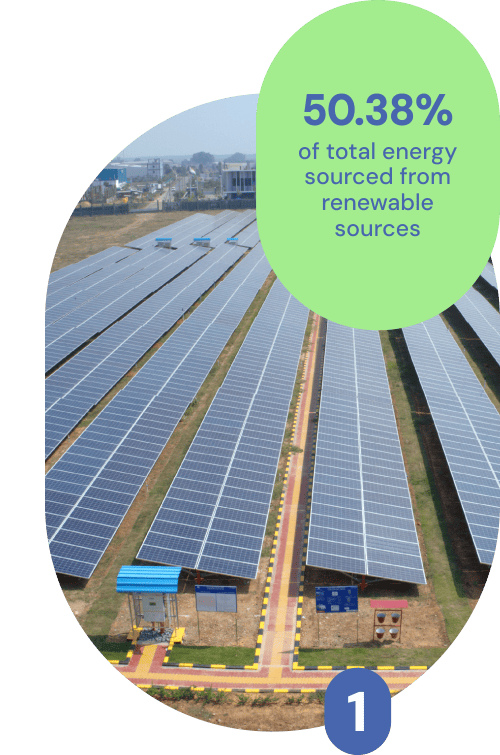
In FY 2025-26, we utilized approximately 234.386 TJ of energy across all our Indian plants, with 50.38% sourced from renewable energy sources like solar and wind.
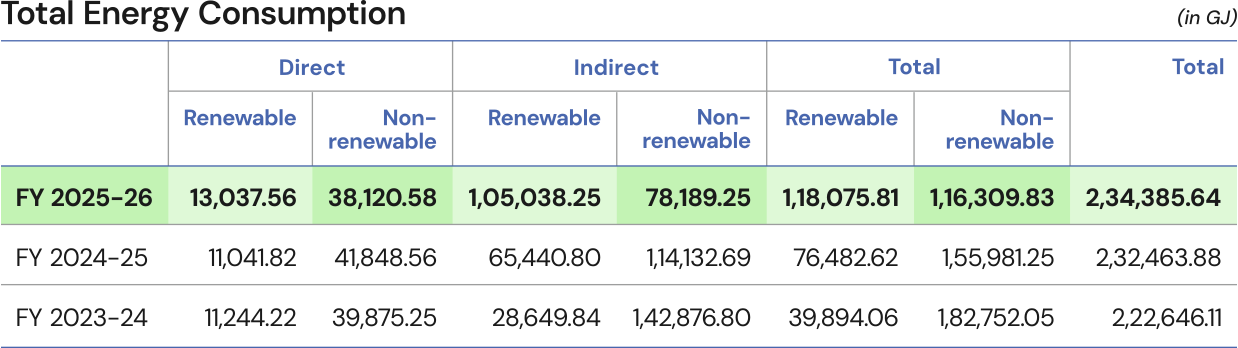
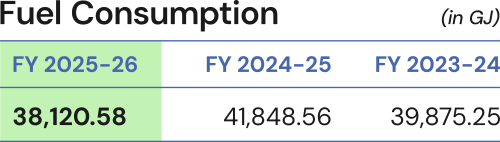
Total energy consumption remained largely consistent with previous levels. However, we achieved a 9% reduction in fuel consumption compared to the previous year.
This improvement was driven by the transition of steam boiler fuel from diesel to natural gas, resulting in enhanced operational efficiency and a lower environmental impact through reduced GHG and air emissions.
We effectively managed energy usage through targeted efficiency initiatives and sustained energy-saving measures across all four manufacturing facilities.
The energy mix has also shown a positive trend with the share of renewable energy in total consumption increasing by 54.38% and that of non-renewable energy reducing by 25.43% over the previous year.
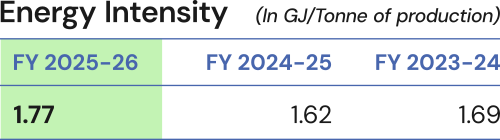
While total energy consumption remained stable, energy intensity saw a slight yearover- year increase. This was driven by a shift in our production mix: although overall volumes decreased, toothbrush production, which is a more energy-intensive process, grew by 8%, impacting our overall energy efficiency metrics.

Strengthening
Energy Efficiency
Across Operations
Building on our ongoing efforts to strengthen energy efficiency across operations, we continued to advance our sustainability agenda in FY 2025–26 through targeted infrastructure upgrades and cleaner energy transitions at our manufacturing plants.
Baddi Plant
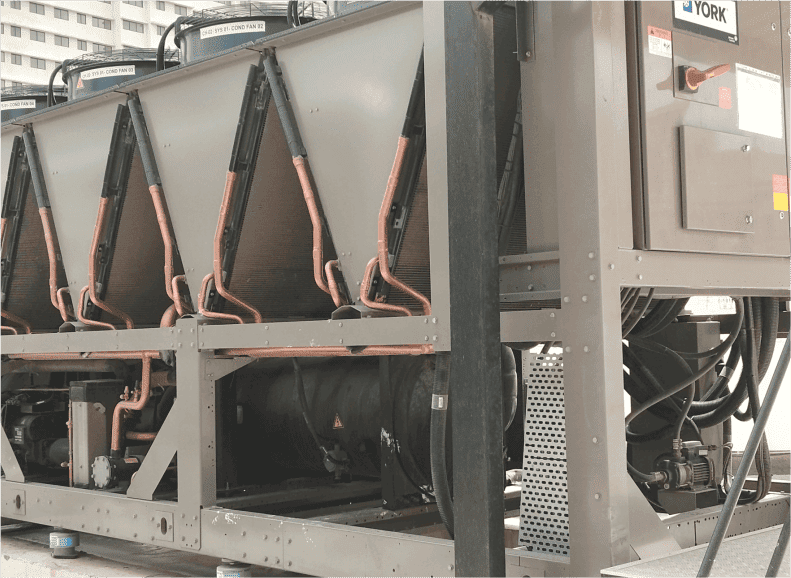
The transition to a dual-fuel system using Piped Natural Gas (PNG) significantly reduced emissions intensity, lowering CO2 emissions by 29%. Additional upgrades, including the retrofit of cooling tower fans with EC technology, resulted in a 42% improvement in energy efficiency.
Further, the installation of a steam condensate recovery system enables reuse of high-temperature condensate, conserving 1,095 KL of water annually while reducing fuel consumption.
Sanand Plant
Two key initiatives were implemented to optimize energy consumption. The replacement of legacy AC fan systems with high-efficiency BLDC motors in cooling towers, along with the installation of an automated tube cleaning system for HVAC chillers, is projected to deliver annual energy savings of 1,27,109 kWh. These interventions also improve system reliability, extend equipment life, and reduce dependence on chemical descalants.
Goa Plant
Advancing energy efficiency through technology-led interventions, the site became the first in Colgate-Palmolive India to operate on a 100% magnetic levitation (maglev) chiller system, integrated with Siemens Demand Flow technology. By centralizing the chilled water system across Units 1 and 3, the plant is achieving an estimated 6% energy savings, equivalent to 5,64,748 kWh annually.
In parallel, the replacement of overhead conductors with underground HT incomer cables significantly improved power reliability, reducing outages from 657 hours in 2024 to 110 hours in 2025. This transition led to a sharp reduction in backup fuel usage, with diesel consumption declining from 46.8 KL to 7 KL and natural gas usage dropping from 27,947 SCM to 1,888 SCM (May–Dec 2025), resulting in an overall fuel reduction of over 80% and lowering both costs and emissions.
Sri City Plant
To enhance energy efficiency, duct leakages in the Air Handling Unit (AHU) system were addressed using Aeroseal sealing technology. By improving the integrity of both supply and return air ducts, the intervention reduced blower load and optimized chiller performance.
This resulted in energy savings of 206 MWh between June 2025 and March 2026, with projected annual savings of 247 MWh, contributing to more efficient and reliable plant operations.

Green Buildings
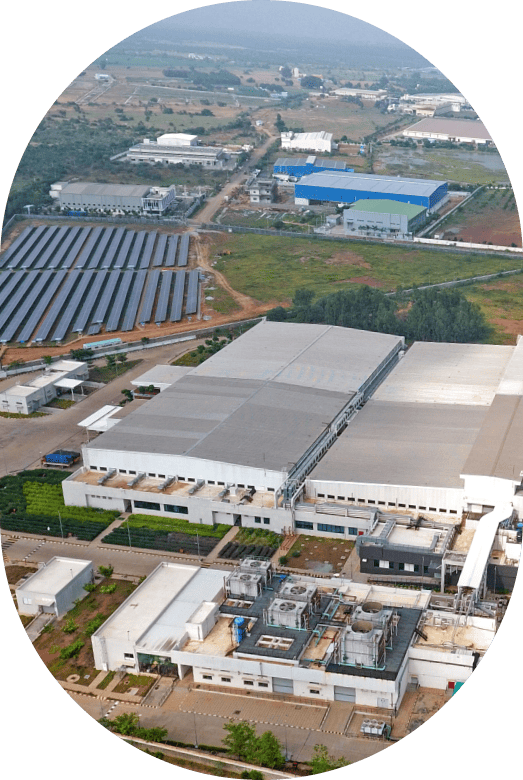
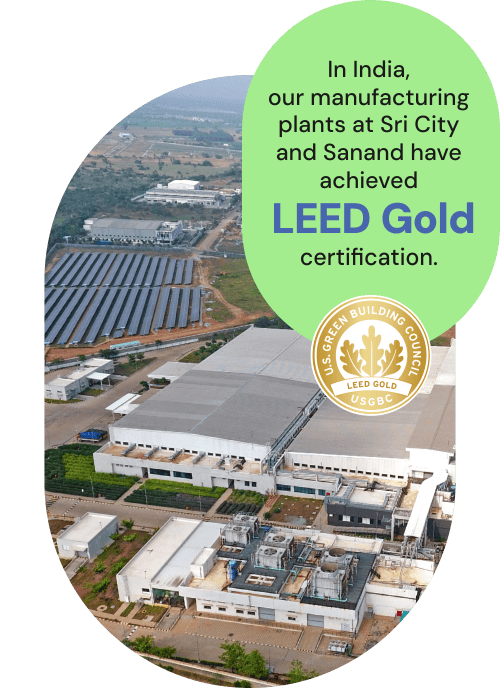
Since 2013, Colgate-Palmolive has adopted the Leadership in Energy and Environmental Design (LEED) green building rating system by the U.S. Green Building Council (USGBC).
This supports our efforts to reduce exposure to water and climate-related risks while creating healthier, more efficient workplaces.
GHG Emissions
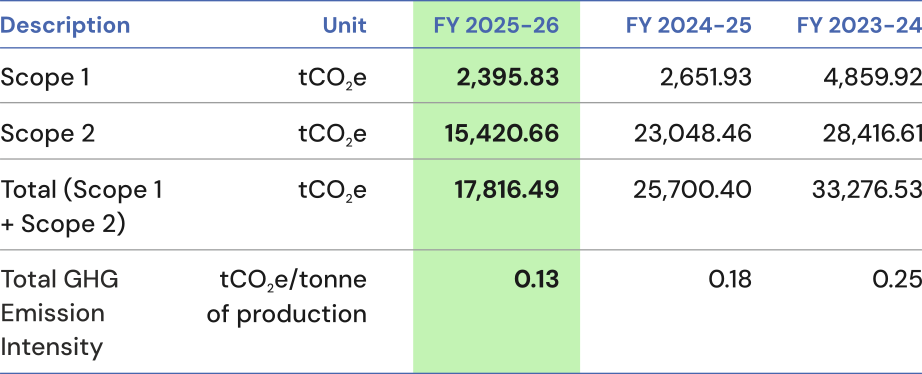
In FY 2025–26, we recorded a 30.68% reduction in carbon emissions compared to the previous year, reaching 17,816.49 tCO e. This was primarily driven by 2 increased use of renewable electricity and natural gas in plant operations.
The following table presents trends in Scope 1 and Scope 2 emissions, along with GHG intensity, over the past three years.
Air Emissions
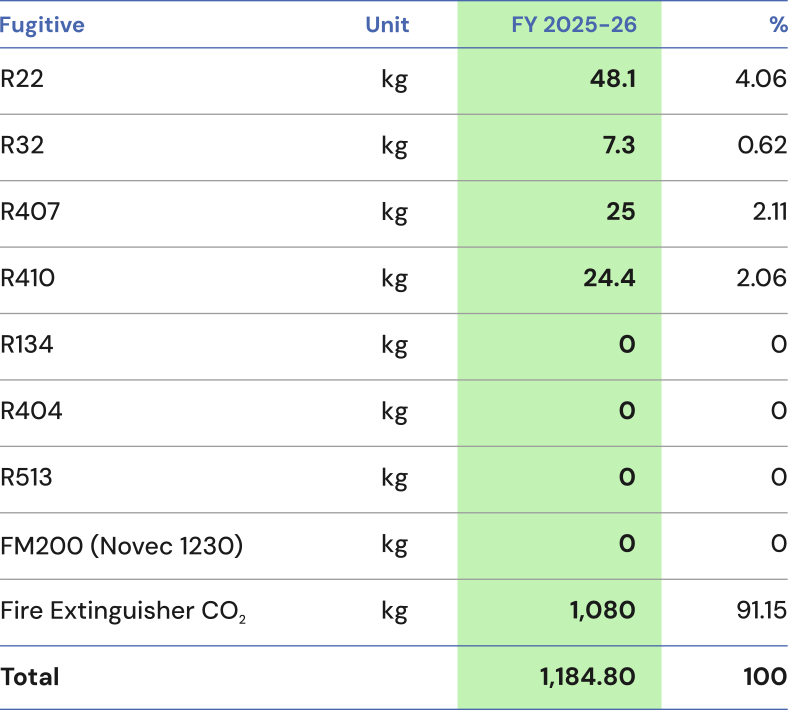
In FY 2025–26, fugitive emissions amounted to 1.184 MT CO e. Total 2 consumption of ozone-depleting substances (ODS), expressed in CFC-11 equivalent and derived solely from R22 usage, was 0.048 MT. To further mitigate climate impact, advanced equipment is being implemented to enhance energy efficiency and significantly reduce fugitive gas leakage.
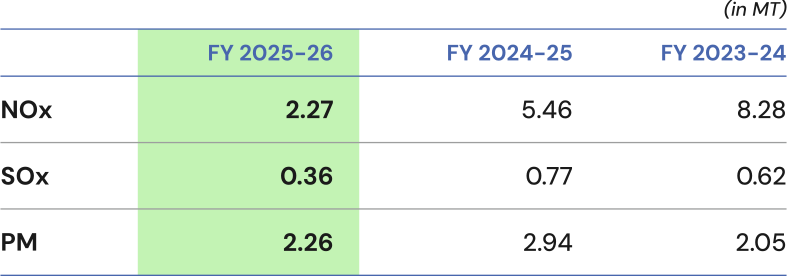
The reduction in emission levels was primarily driven by a strategic fuel shift to natural gas in the boilers. Concurrently, operational efficiency was enhanced through rigorous equipment maintenance and the prioritization of cleaner energy sources.
Advancing
Renewable Energy
Sanand, Gujarat
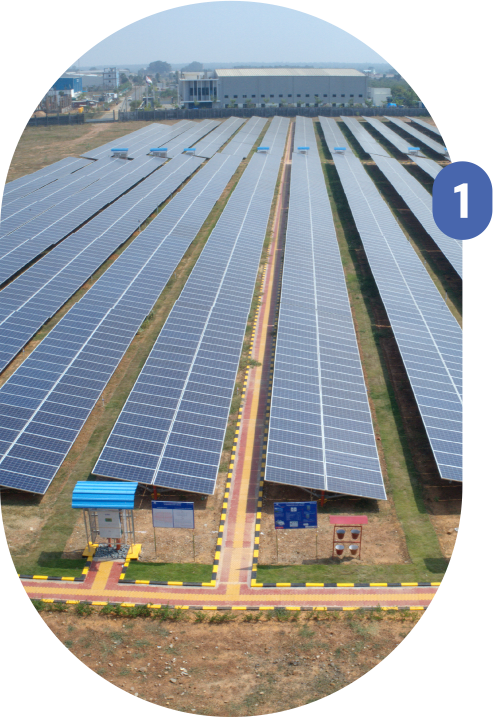
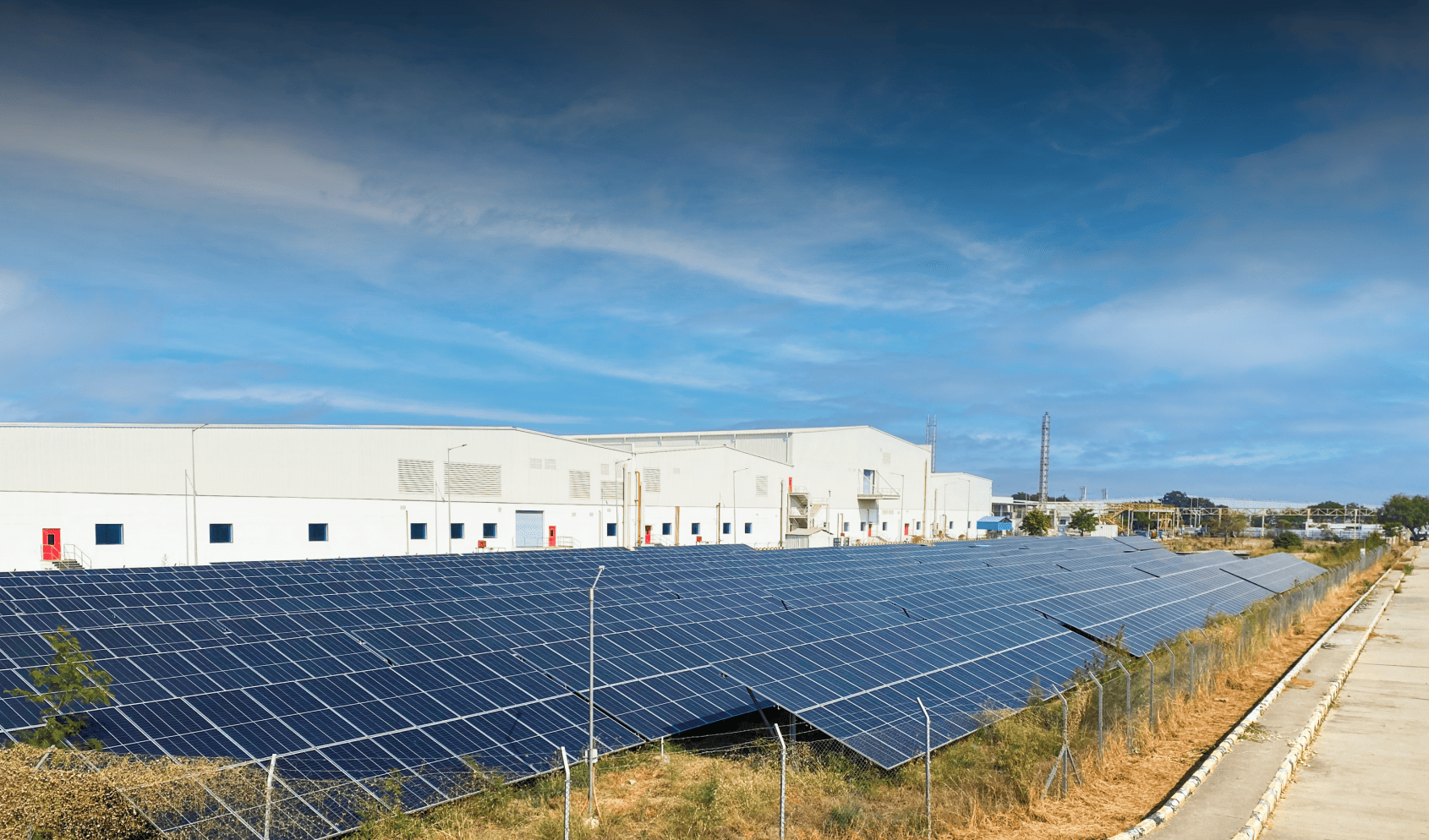
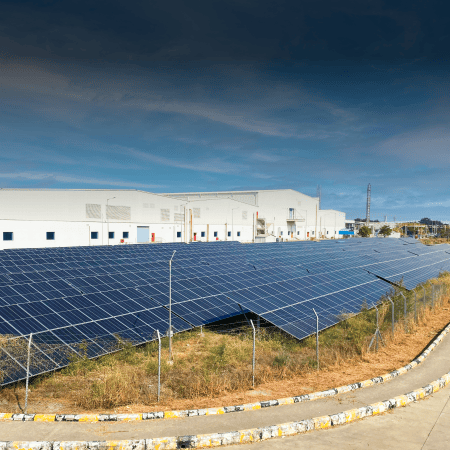
Building on the 1.0 MW DC solar facility commissioned in 2021 and expanded in FY 2024-25, our Sanand plant further strengthened its renewable journey with Phase-2 in 2025, adding 0.250 MW DC capacity. Completed ahead of schedule, the project generates 350 MWh of green energy annually. It raises the plant's renewable share by 2%, reduces 243 MT of CO 2 emissions per year, and delivers annual savings of USD 28,000.
Phase-2 integrates CP World Learn Advance Technology, including bifacial mono half-cut double glass panels, enhanced MC4 connectors for improved safety and reliability, and optimized tilt angles for higher energy generation. This results in improved efficiency and greater durability over traditional solar infrastructure.
2

Waste Management
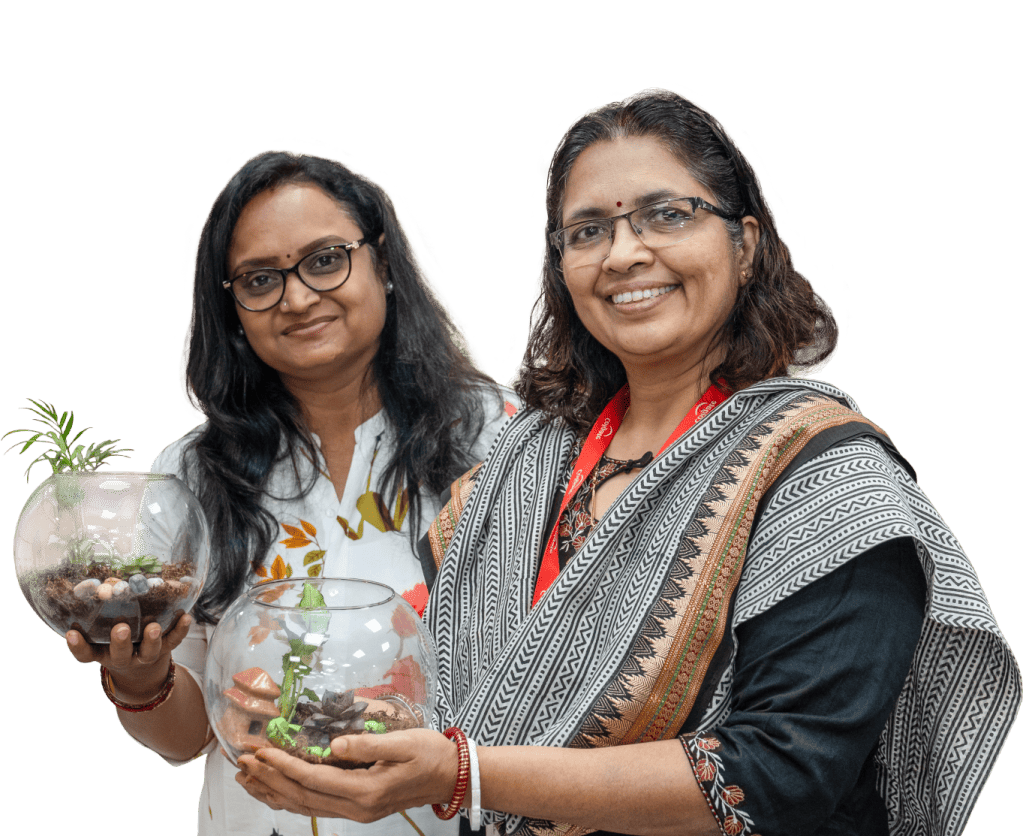
Our waste management approach is guided by circular principles that involve reducing environmental impact while maximizing resource value.
We continue to strengthen systems for reducing, reusing, and recovering waste. Manufacturing waste that arises from material handling or operational inefficiencies is systematically classified, segregated, and analyzed. Through enhanced monitoring, trend analysis, and targeted interventions, we are improving resource efficiency and accelerating progress toward long-term goals.
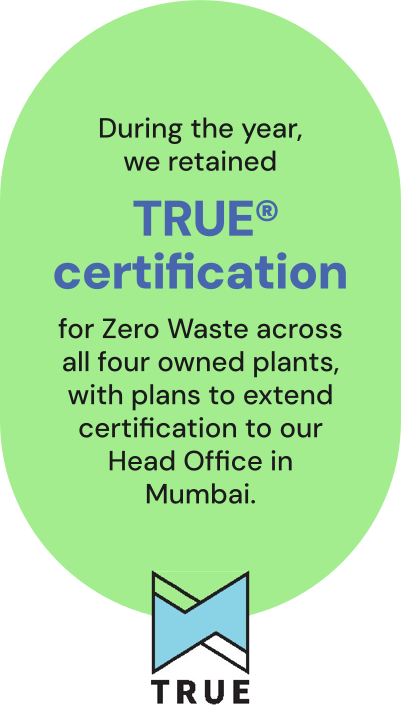
Waste Generation
During FY 2025-26, we generated 7,657.31 MT of waste, comprising hazardous, non-hazardous, and electronic waste.
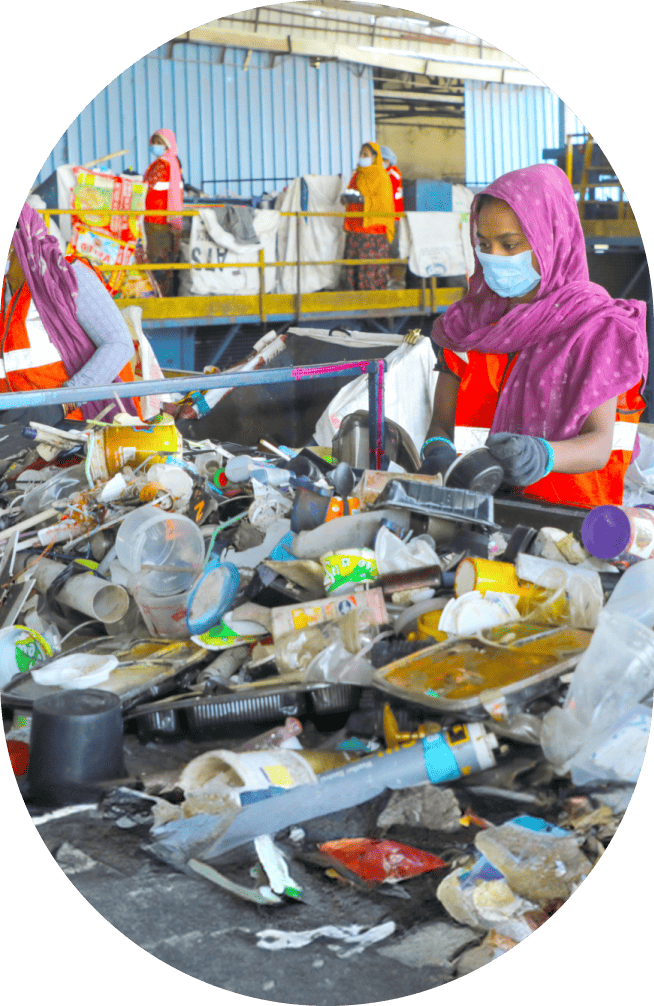
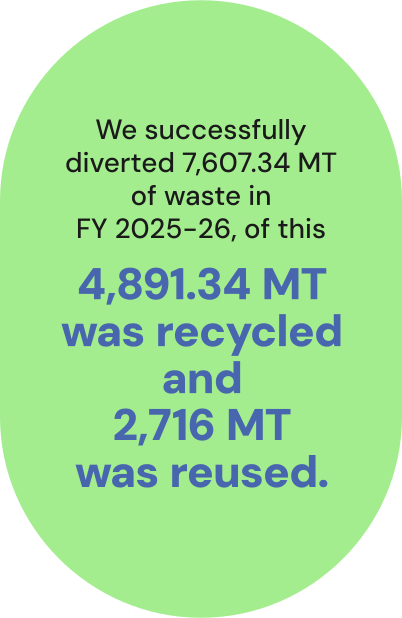
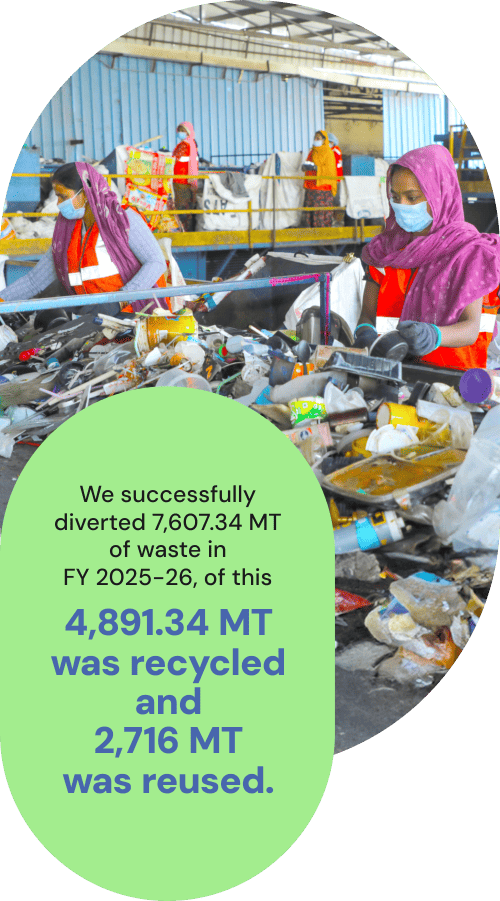
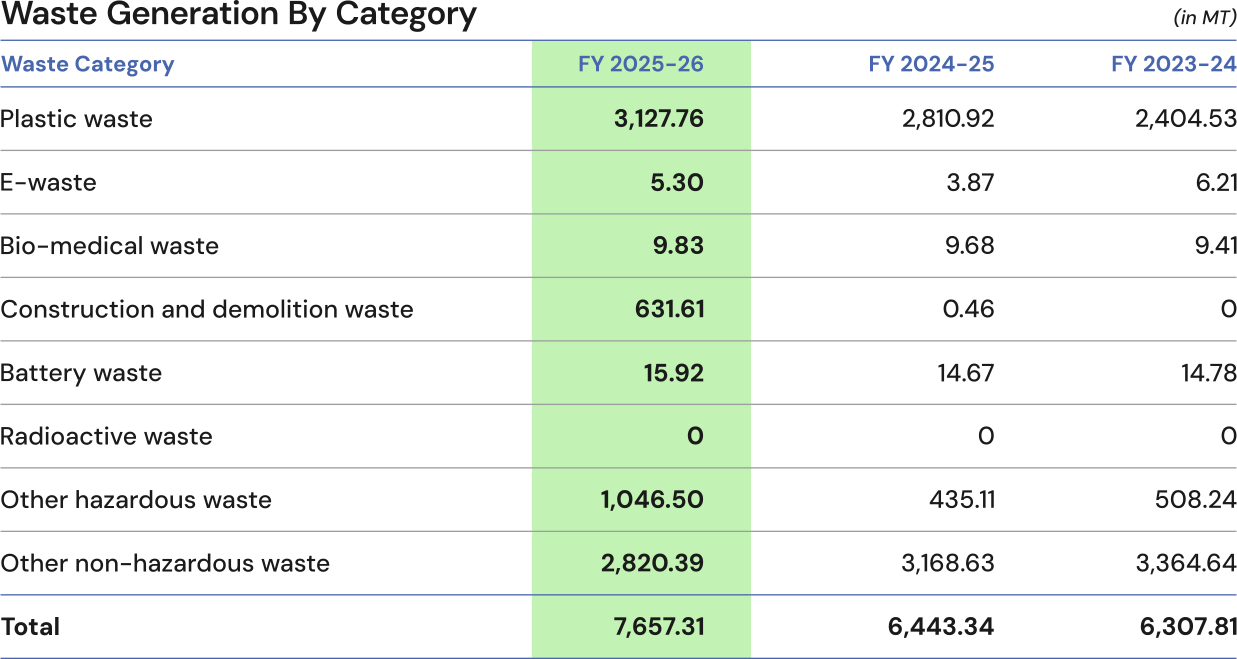
Total waste generation increased by 18% year-over-year, primarily due to a surge in construction and demolition (C&D) waste.
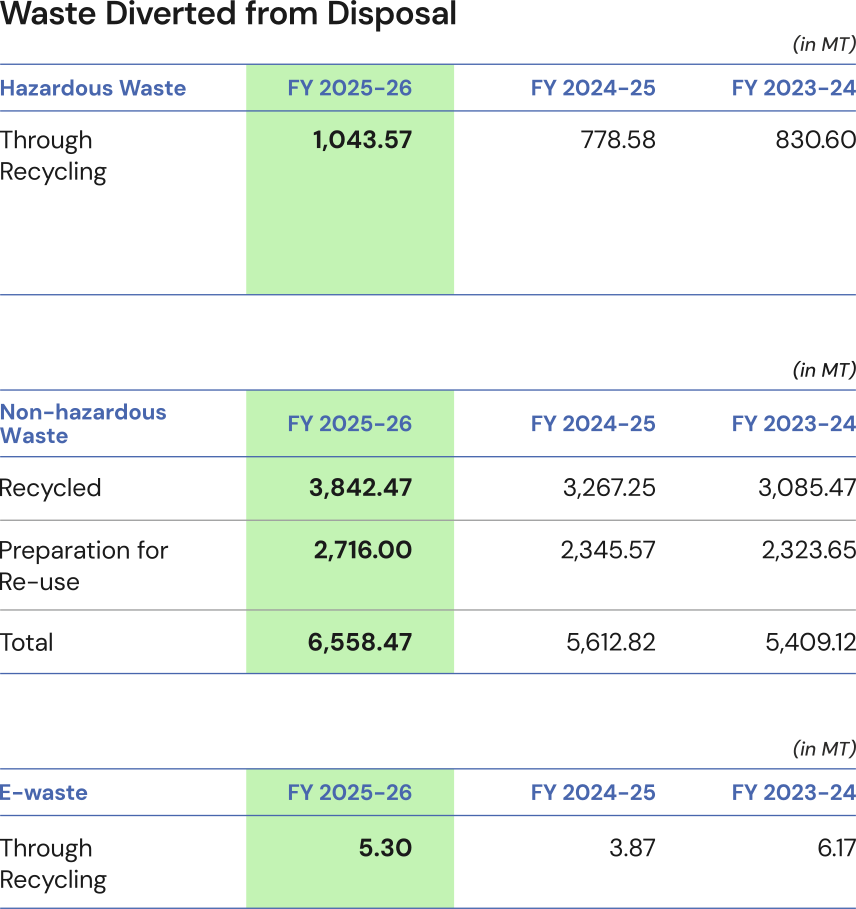
This increase was mitigated as the waste was fully diverted for reuse by third-party partners, resulting in a minimal environmental footprint. Furthermore, the increase in hazardous waste was noted, which was managed in strict accordance with local regulatory guidelines.
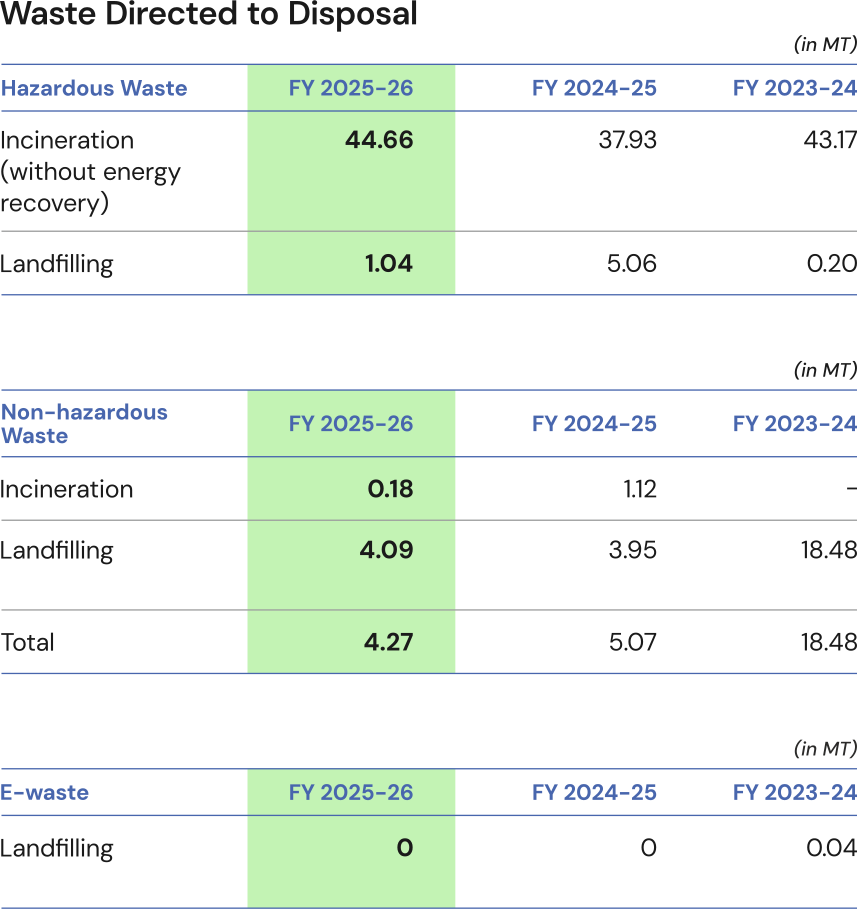
Waste Diverted From Disposal
Closing the Loop
on Menstrual Waste
Head Office, Mumbai
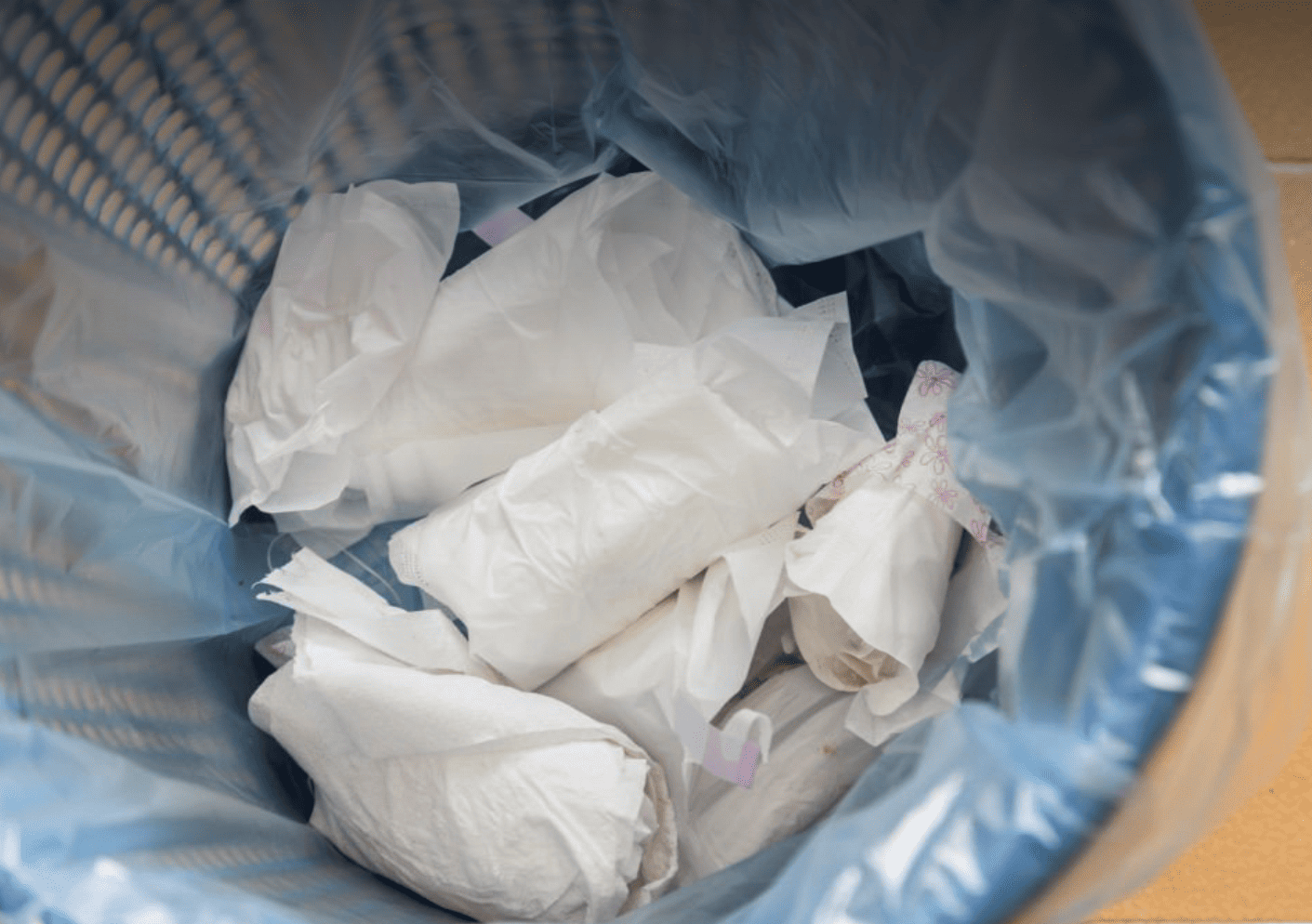
At Colgate, we believe we make India smile by solving everyday challenges responsibly, especially those often overlooked. Menstrual waste is one such challenge, typically ending up in landfills and contributing to long-term environmental impact.
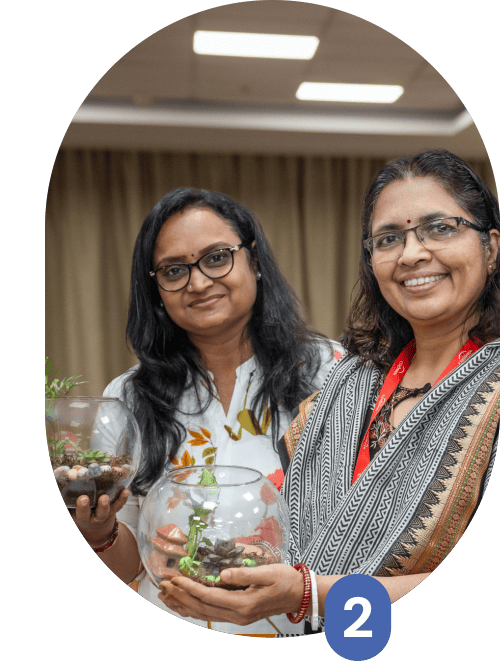
In 2025, we partnered with Padcare to introduce a safe, circular solution. Through specialized collection bins and Padcare's patented 5D (Disintegration, Decolorization, Deodorization, Disinfection, Deactivation) VAP technology, used sanitary pads are scientifically processed and converted into reusable materials. Recycled plastic is transformed into utility products like plant pots and paver blocks, while cellulose is repurposed into office stationery.
Between February and December 2025, 7,560 sanitary pads were diverted from landfills, processing 189.06 kg of waste, saving 3.78 M³ of landfill space, and conserving 405 kg of carbon emissions.
Beyond its environmental impact, the initiative supports dignified livelihoods for waste workers and ensures regulatory compliance, demonstrating how circular thinking can create cleaner, more inclusive outcomes for all.
Building Circular Solutions,
One Block at a Time
India Global Technology
Centre (IGTC), Mumbai
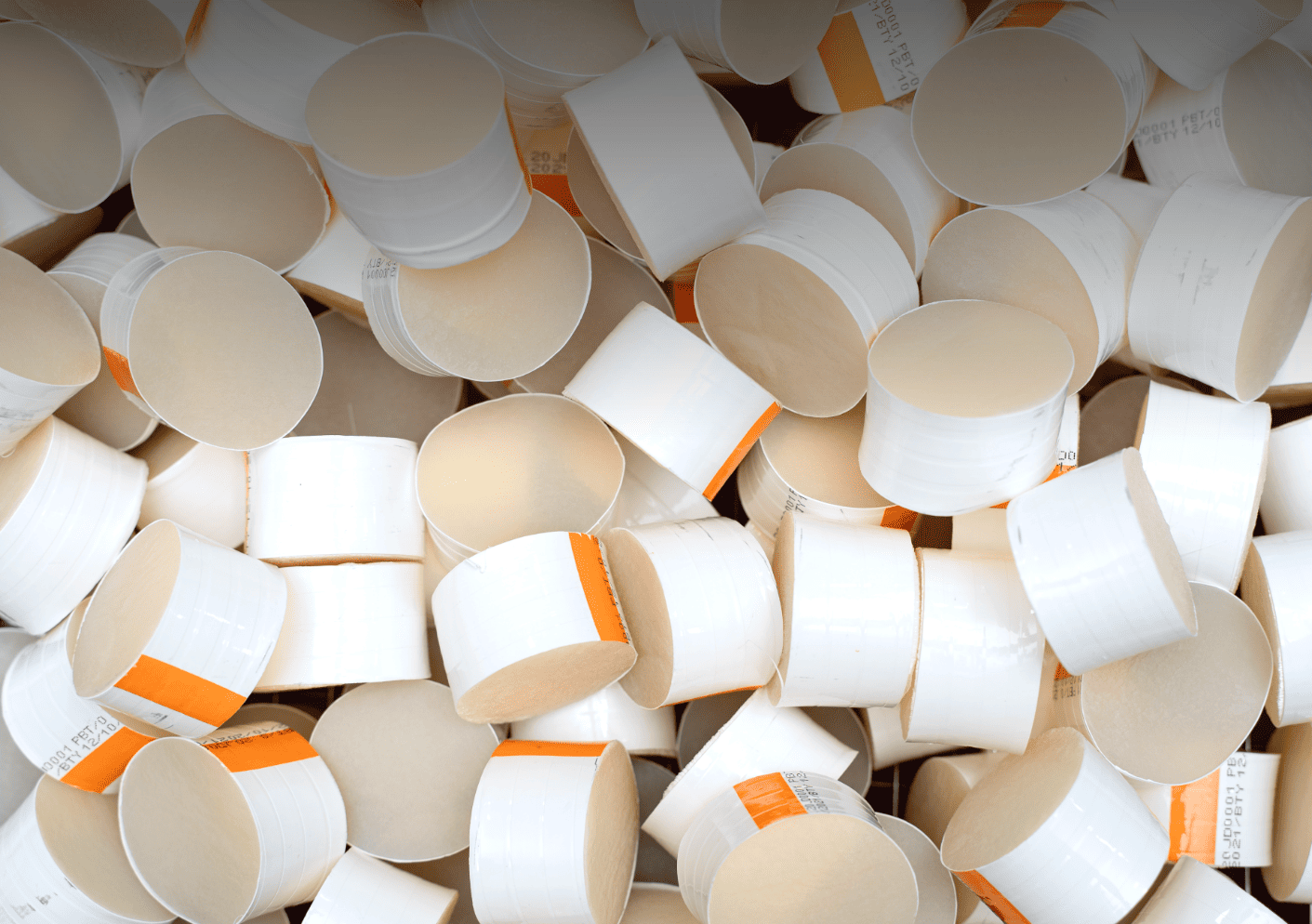
The “Let's CircleUp” initiative at IGTC reimagines waste as a resource through circular innovation and strategic collaboration. Addressing the challenge of difficult-to-recycle multi-laminate plastics like toothpaste tubes, the team partnered with a sustainable fashion and design brand Meemansa to create a scalable upcycling solution.
A total of 221.8 kg of used toothpaste tubes, combined with other lowvalue plastics and discarded foundry dust, was transformed into Silica Plastic Blocks (SPBs). Using a 50:50 mix of plastic waste and foundry sand, these durable pavers were installed across 780 sq. ft. of the facility, replacing conventional concrete blocks.
The initiative upcycled 4.62 tonnes of waste and avoided 9.25 tonnes of virgin material extraction. It also saved 1.54 tonnes of cement, 3.08 tonnes of sand, and 4.62 tonnes of aggregate. This helped prevent nearly 5 tonnes of CO e of emissions, equivalent to the annual 2 absorption of 225 mature trees.
This project demonstrates how circular thinking can turn waste into infrastructure with measurable environmental value.

Sustainable Packaging
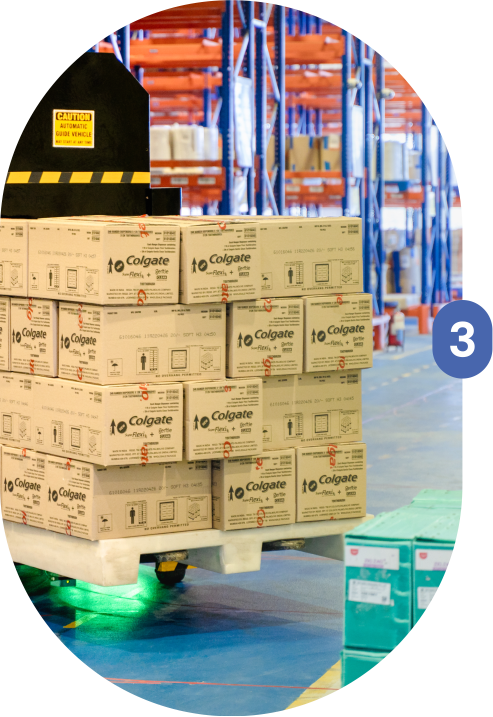
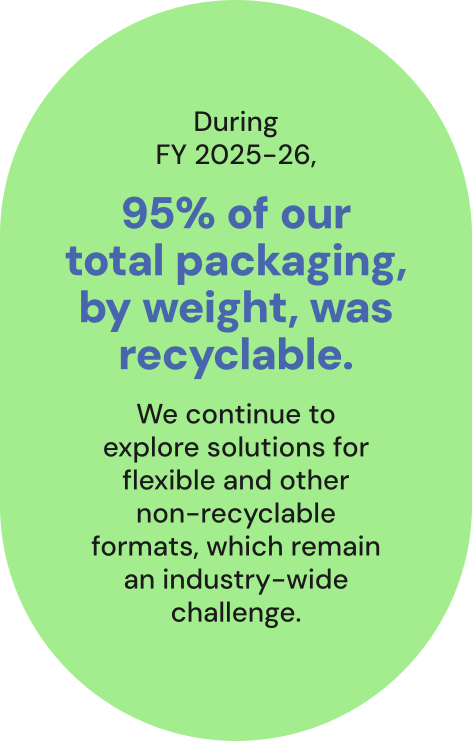
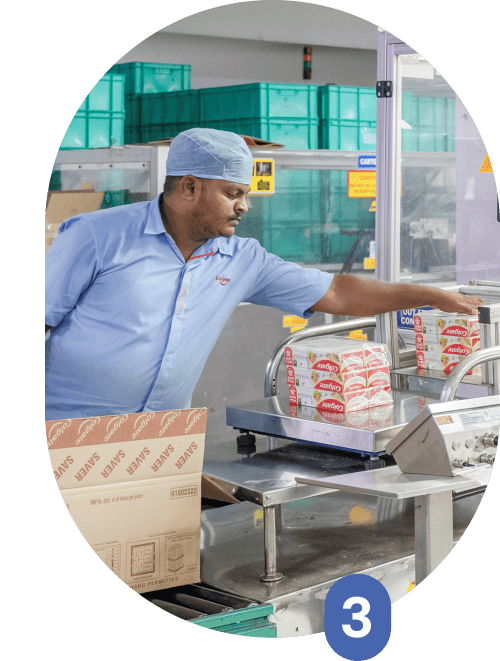
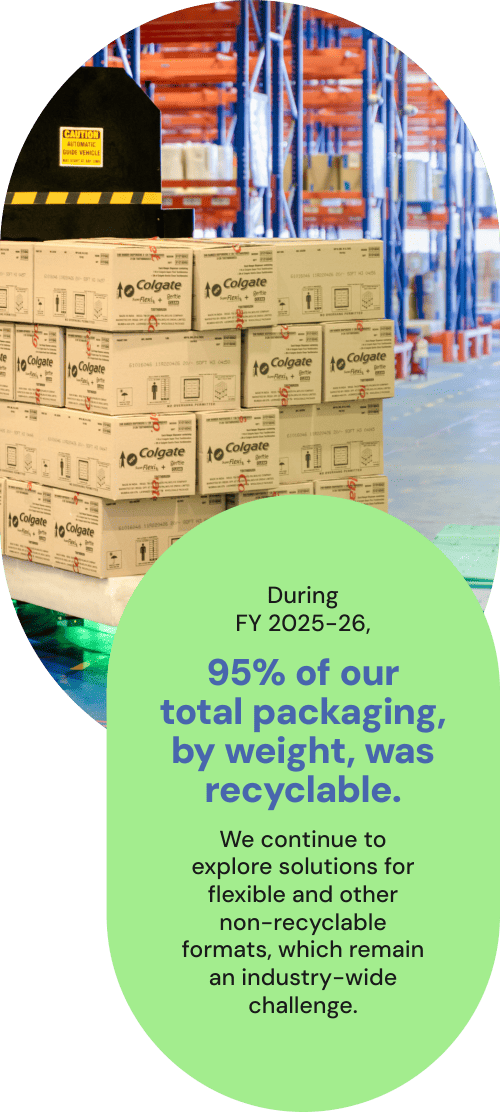
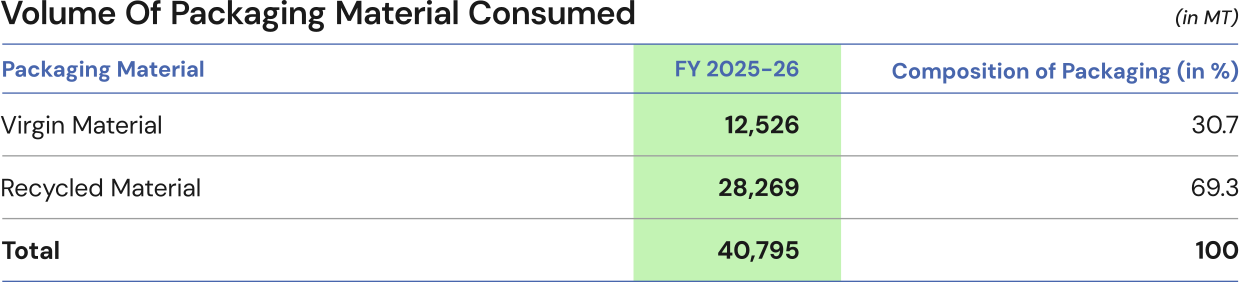
Through ongoing analysis and targeted interventions, we are reducing our packaging footprint and advancing circularity. Innovation remains a key focus, including the development of alternative materials and optimized designs that reduce reliance on virgin resources.
We pioneered India's first recyclable toothpaste tube made from HDPE, a material widely accepted in recycling streams. Despite technical challenges due to its rigidity, our engineers developed a layered laminate solution that delivers both recyclability and performance.
We have shared this innovation with industry peers to help accelerate broader adoption.
Key Highlights
Extended Producer
Responsibility (EPR)
We also remain consistent in achieving 100% plastic waste collection under India's Extended Producer Responsibility (EPR) each year. EPR obligations for plastic packaging are fulfilled through the procurement of EPR certificates from CPCB-registered Plastic Waste Processors (PWPs).
Engagements are undertaken with authorized waste management agencies. All pre-consumer plastic waste generated at our manufacturing plants is recycled through authorized partners, ensuring responsible collection, sorting, and processing or co-processing of non-contaminated waste.
4
Water Management
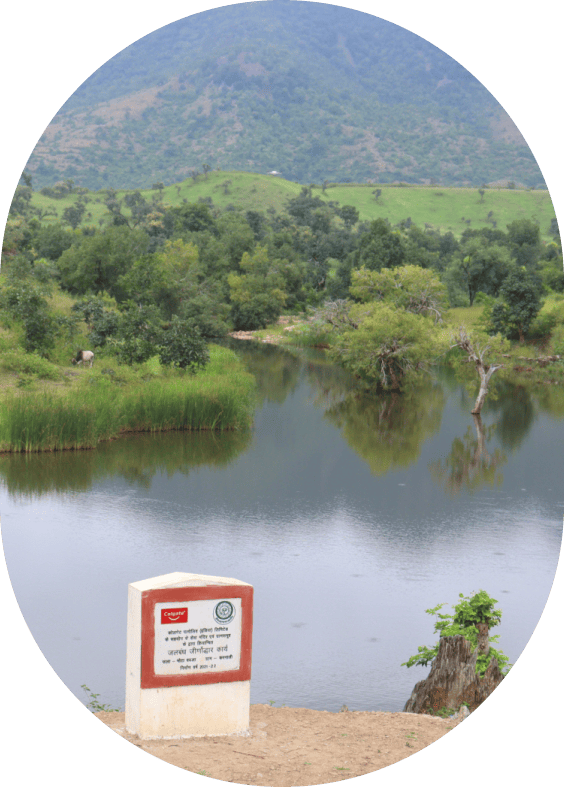
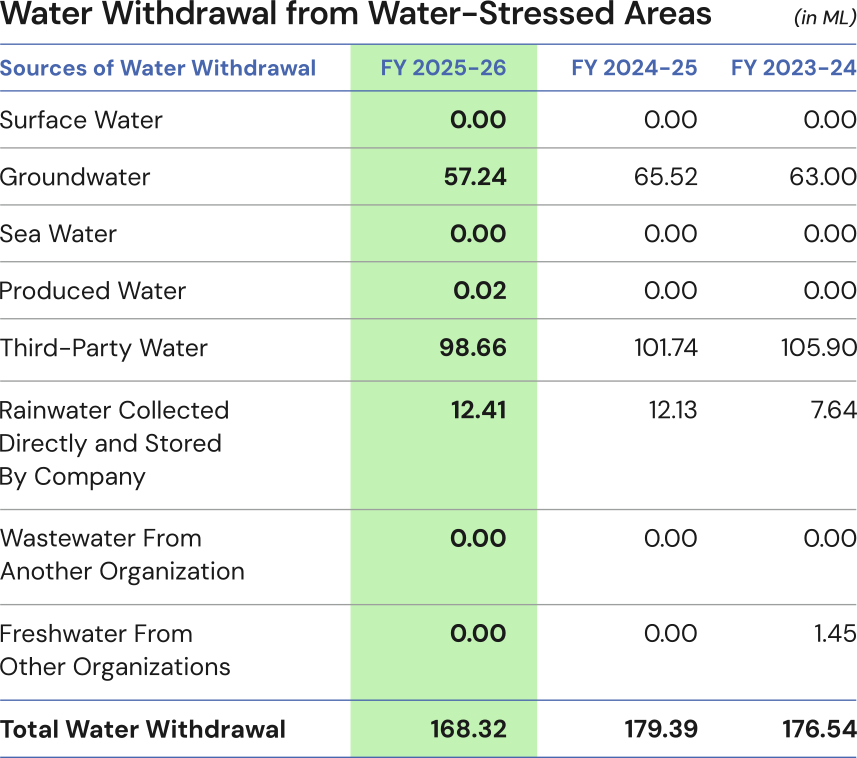
Access to safe water, sanitation, and hygiene remains central to our water stewardship efforts. Having already achieved a Net Water Positive status at the country level, we continue to build on this milestone by improving efficiency, minimizing waste, and utilizing tools such as WRI’s Aqueduct to identify and address localized water stress.
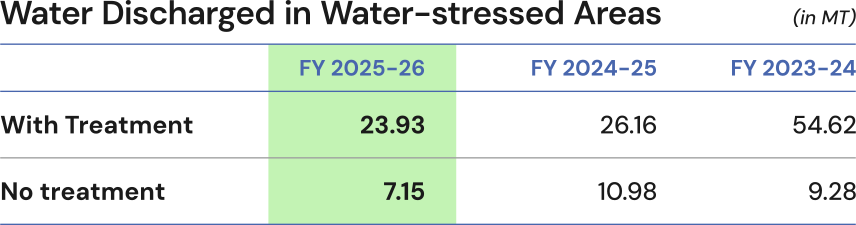
Despite operating in water-scarce regions like Sanand and Baddi, we continue to strengthen freshwater conservation and treatment practices.
Across all locations, we deploy smart monitoring systems and promote responsible water management practices to support long-term water availability for both operations and surrounding communities.
Water Withdrawal and Consumption
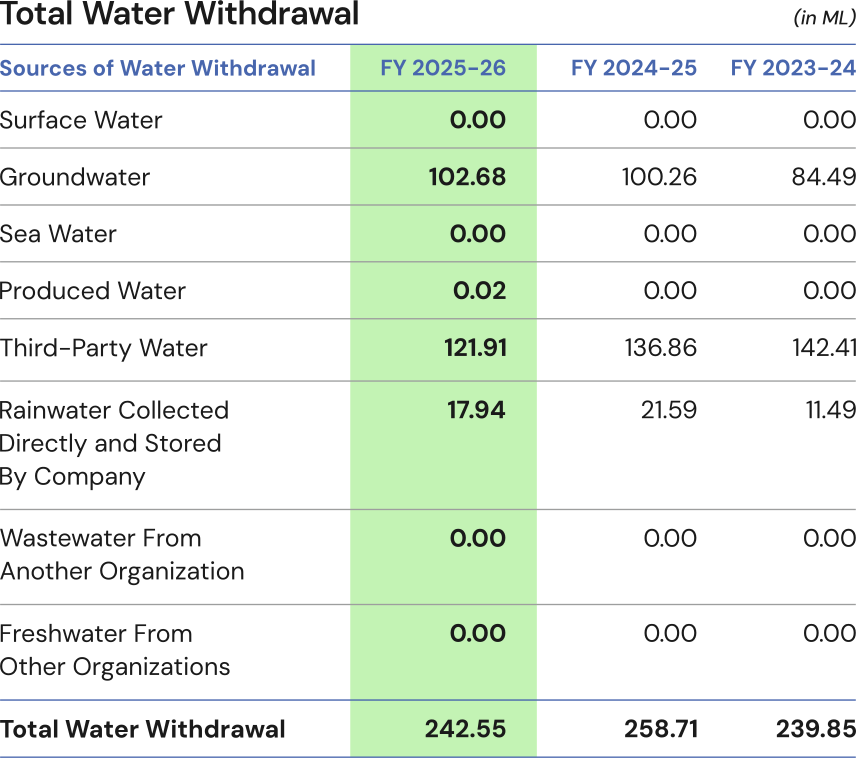
We draw water from multiple sources, including groundwater, municipal supply, industrial corporations, and rainwater. In FY 2025-26, we replenished over 17,941 KL of rainwater from all our operational locations. A total of 460 million litres of water has been replenished in the states of Maharashtra & Rajasthan since 2018, via various CSR programs.
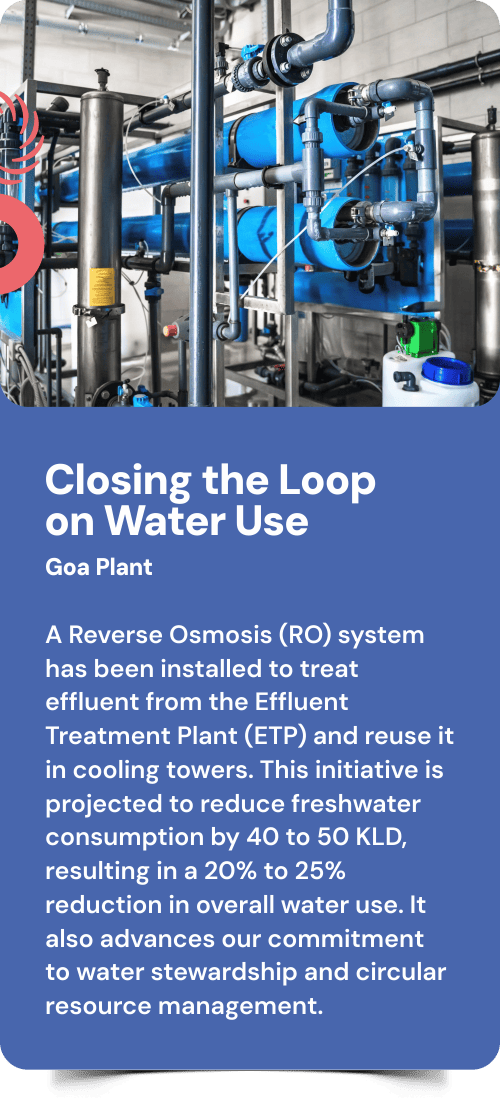
Closing the Loop
on Water Use
Goa Plant
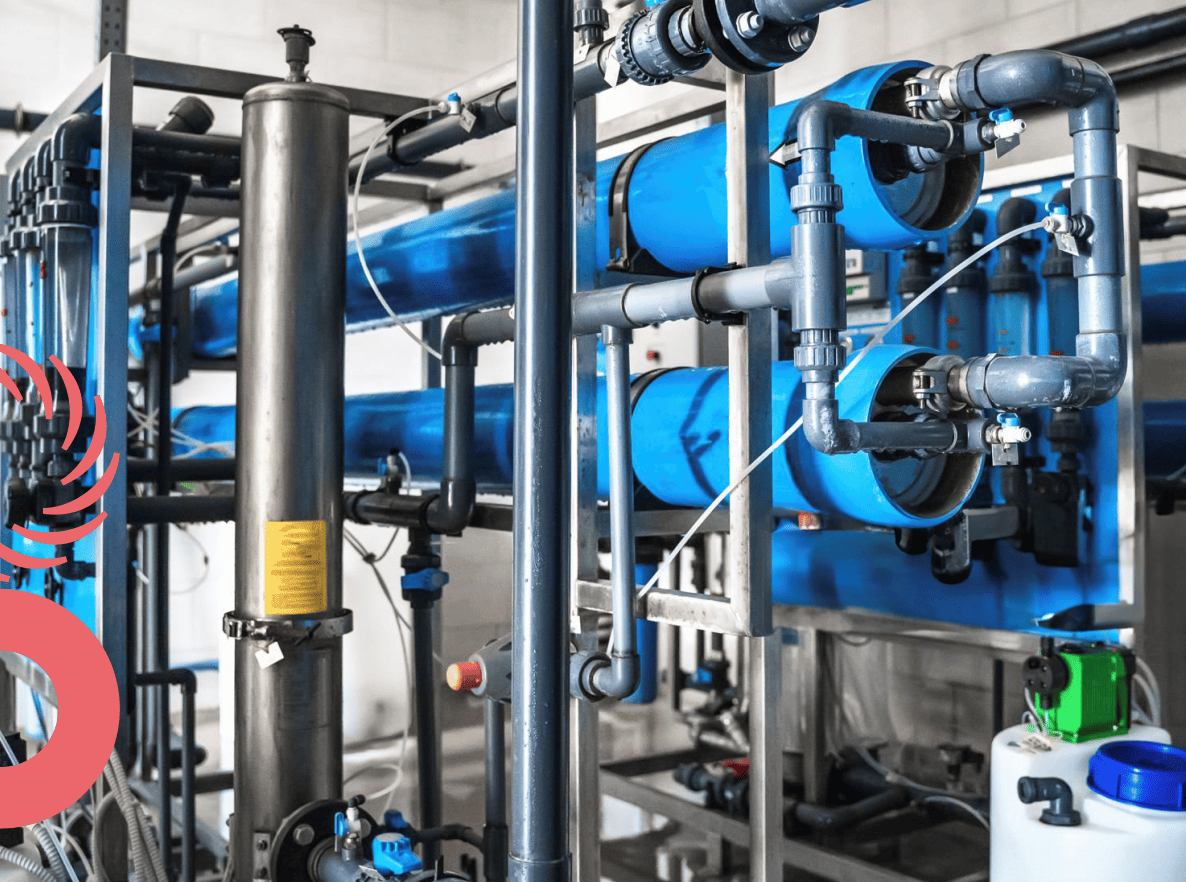
A Reverse Osmosis (RO) system has been installed to treat effluent from the Effluent Treatment Plant (ETP) and reuse it in cooling towers. This initiative is projected to reduce freshwater consumption by 40 to 50 KLD, resulting in a 20% to 25% reduction in overall water use. It also advances our commitment to water stewardship and circular resource management.
Reducing Our Water Footprint
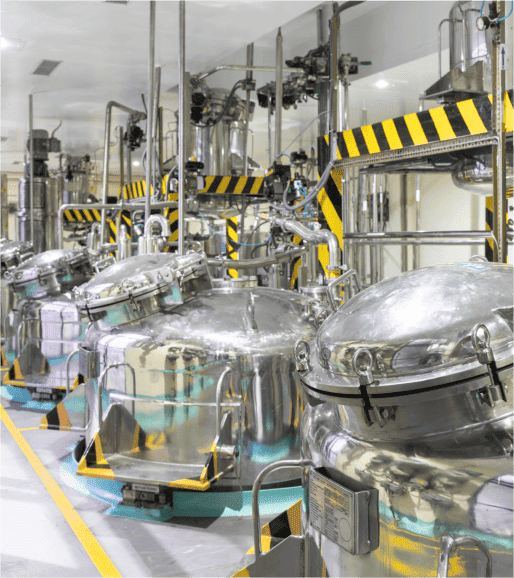
We use advanced technologies to continuously monitor wastewater quality and minimize environmental impact. Our facilities are equipped with threestage treatment systems, including tanks, clarifiers, mixers, and filters, to ensure effective removal of impurities. Key parameters such as pH, BOD, COD, color, fluorides, and TSS are closely monitored to meet regulatory standards.
Treated water is reused across operations, including in cooling towers, boilers, and gardening, supporting a circular approach to water management.
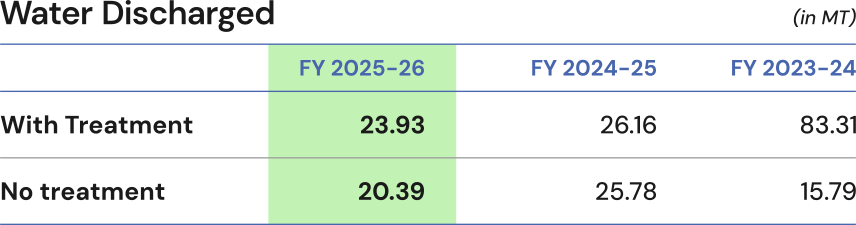
In FY 2025–26, water discharge was reduced by 14.66% compared to the previous year. This improvement was primarily driven by an expansion of water recycling capacity across all plants, enabling higher rates of internal water reuse. Furthermore, the organization remains committed to achieving Zero Liquid Discharge (ZLD) by continually optimizing processes to minimize its environmental footprint.